Comprehensive Heart Care
Your Heart. One Trusted Specialist. Every Stage of Care.
Whether you're looking to prevent heart disease, investigate new symptoms, manage an existing condition, or require advanced cardiac procedures, you'll receive personalised, evidence-based care tailored to your needs. From prevention to intervention, every decision is made with your long-term heart health in mind.
Professional portrait of
Dr. Randeep Singla
What We Offer
Six Areas of Expertise
Explore six specialised areas covering prevention, diagnosis, advanced cardiac procedures, rhythm management, and long-term heart care — all delivered under one trusted cardiologist.
01Preventive Heart Care
Cardiac Consultation
A thorough first conversation — your history, risk factors and a clear plan, not a rushed prescription.
Learn more
Dr. Singla reviews existing reports and orders only the tests genuinely relevant to your risk before deciding on next steps.
Cardiovascular Risk Assessment
A structured evaluation across all 9 risk pillars — the earliest, most complete picture of your heart health.
Learn more
Combines your history, labs and lifestyle into one risk picture that shapes your entire prevention plan.
Lifestyle & Prevention Counselling
Practical, realistic guidance on diet, activity, sleep and stress — the everyday habits that protect your heart.
Learn more
Built around your actual routine and food habits, not a generic printed diet sheet.
02Heart Diagnostics
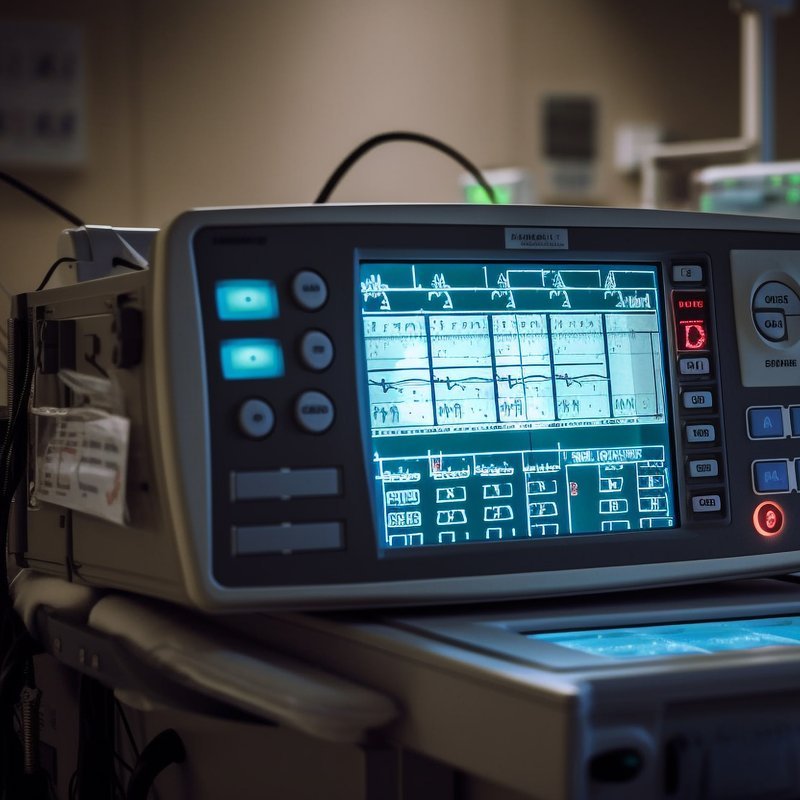
ECG
A quick, painless recording of your heart's electrical activity.
Learn more
Often the first test to reveal rhythm disturbances or a past silent heart attack, in minutes.
Echocardiography (2D Echo)
An ultrasound of the heart in motion — showing how well it pumps and how the valves function.
Learn more
Non-invasive and painless, often done in the same visit as your consultation.
Treadmill Stress Test (TMT)
A monitored treadmill test reveals how your heart performs under exertion, not just at rest.
Learn more
Often uncovers blockages that a resting ECG alone would miss entirely.
Lab Services
On-site blood work — lipid profiles, HbA1c, cardiac markers and more.
Learn more
Feeds directly into the same risk picture Dr. Singla is building for you, without a separate trip across town.
03Advanced Cardiac Imaging
CT Coronary Angiography
A detailed, non-invasive scan of the coronary arteries.
Learn more
Used when a deeper look at blockage risk is warranted, without the recovery time of a catheter-based procedure.
04Interventional Cardiology
Coronary Angiography
A catheter-based test that directly visualizes blockages in your coronary arteries.
Learn more
The definitive test before deciding whether angioplasty or stenting is actually needed.
Angioplasty (PTCA)
A minimally invasive procedure to open a blocked artery using a small balloon.
Learn more
Performed personally by Dr. Singla, only when your risk profile genuinely calls for it — never as a default.
Coronary Stenting
A small mesh tube placed to keep a treated artery open after angioplasty.
Learn more
Modern stents are designed to minimize the chance of the artery narrowing again.
05Heart Rhythm Care
Arrhythmia Management
Diagnosis and treatment of irregular heartbeats — too fast, too slow, or uneven.
Learn more
Ranges from monitoring and medication to procedures, based on exactly what your heart is doing.
Pacemaker Implantation
A small device implanted to keep your heart beating at a safe, steady rate.
Learn more
A well-established, low-risk procedure that restores a normal, confident daily rhythm.
06Long-Term Heart Care
Heart Failure Management
Ongoing care for a heart that isn't pumping as efficiently as it should.
Learn more
Combines medication, lifestyle change and regular monitoring to keep symptoms controlled long-term.
Hypertension Management
Structured, ongoing control of high blood pressure — a condition with almost no symptoms and outsized risk.
Learn more
Includes home monitoring, so treatment is based on real trends, not one reading in a chair.
Cholesterol Management
Ongoing management of LDL and other lipid markers that quietly build arterial blockages.
Learn more
Includes advanced markers like Lp(a) where relevant, not just a standard lipid panel.
Preventive Follow-up Care
Regular reviews that keep your prevention plan honest, year after year.
Learn more
Includes WhatsApp check-ins between visits, not just an annual appointment.
What To Expect
Your Care Journey
A clear, guided path — so you always know what happens next.
Consultation
A real conversation about your history and concerns.
Risk Assessment
Understanding exactly where you stand today.
Heart Tests
Only the investigations genuinely relevant to you.
Personalised Plan
Built around your life, not a generic template.
Long-Term Follow-up
Ongoing care that keeps the plan honest, year after year.
Prevention
Why Prevention Matters
Most serious heart conditions develop silently over many years. Early screening, lifestyle changes, and timely treatment can significantly reduce the risk of heart attacks and other cardiovascular complications.
Common Questions
Frequently Asked Questions
Which heart test do I actually need?
That depends entirely on your risk profile and symptoms — which is exactly why every plan starts with a consultation, not a pre-booked test. Dr. Singla decides what's genuinely relevant after understanding your history.
What's the difference between ECG, Echo, TMT, and CT Angiography?
An ECG reads your heart's electrical rhythm in minutes. An Echo is an ultrasound showing how well your heart pumps. A TMT (treadmill test) shows how your heart performs under exertion. A CT Coronary Angiography is a detailed scan of the arteries themselves. Which one — or combination — you need depends on your specific situation.
Do I need a referral?
No referral is required. You can book a consultation directly, whether you have symptoms, a family history, or simply want a baseline risk assessment.
Should I consult even if I don't have symptoms?
Yes — in fact, that's often the best time. Most serious heart conditions develop silently for years before any symptom appears, which is the entire premise of preventive cardiology.
When is angioplasty necessary?
Only when a confirmed blockage is significant enough that lifestyle change and medication alone aren't sufficient. It's never a default recommendation — Dr. Singla explains exactly why, based on your specific angiography results.
Let's Find The Right Path For Your Heart
You don't need to know the right test. You only need the right cardiologist.
Every patient starts with a consultation — not a procedure. Dr. Randeep recommends only the investigations and treatments that are genuinely necessary, ensuring personalised, ethical, and evidence-based care.
"Your journey to better heart health starts with a conversation."